







Search Results for: Hacienda San Jose
Colombia Finca San Jose Pour-Over Coffee: Flavor Analysis of Rum Barrel Fermentation and Castillo Variety
Located in the Caldas region, Hacienda San José has infused the Castillo variety with distinctive notes of liquor and tropical fruit through its unique refined washed rum barrel fermentation process. This article will guide you through the bean's origin background, processing details, and the development of the Castillo variety in Colombia, while also sharing the brewing parameters and cupping flavor profile recommended by Front Street Coffee. [more…]

Colombia Finca San José Rum Barrel-Aged Coffee: Pour-Over Parameters and Hot & Iced Brewing Flavor Analysis
The barrel fermentation process was not pioneered in Honduras; its inspiration came from a sudden flash of insight by the lady owner of Finca San Jose in Colombia. Front Street Coffee takes you deep into the origin background, processing method, and Castillo variety characteristics of this rum barrel fermented coffee bean, and shares the complete parameters and staged extraction techniques for both hot and iced pour-over. From the roasting curve to grind size, water temperature, and coffee-to-water ratio, we break down in detail how to brew a cup of San Jose coffee with rich wine aroma and complex layers, allowing you to experience the unique flavors where rum, nuts, and tropical fruits intertwine. [more…]
Tracing the Origins of Colombian Coffee Regions and Bean Variety History: Front Street Selected Lots from Tolima to Cauca
Colombia is one of the few single-origin coffee-producing countries that markets itself globally under its national name, and its coffee is known for its balanced, smooth mouthfeel and consistent quality. This article traces the cultivation history and regional context of Colombian coffee, and provides a detailed introduction to several Colombian lots offered by Front Street Coffee, including La Minita "Model Student," smallholder lots from Tolima, Red Bourbon, Red Typica, and Geisha from Finca San Alejo, as well as Huila Bolívar, showcasing the flavor differences brought about by different regions, varieties, and processing methods. [more…]
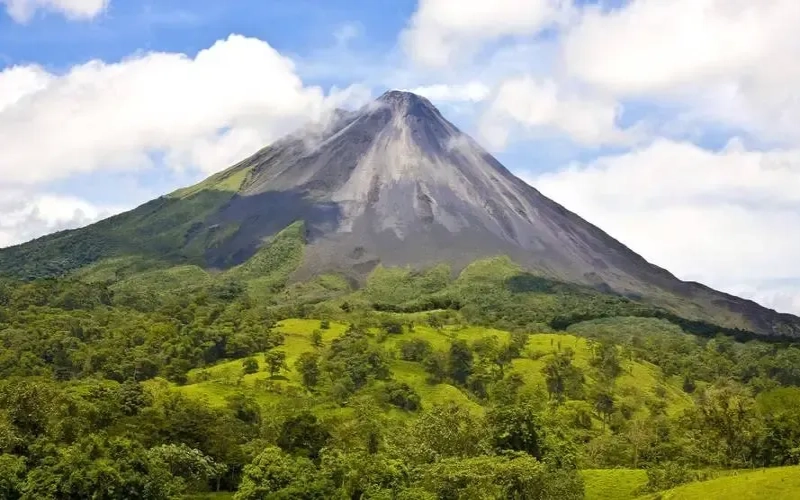
Costa Rica 2024 COE Washed Category Champion Hacienda Santa Teresa: An In-Depth Analysis
The 2024 Costa Rica COE competition washed category champion was won by Hacienda Santa Teresa with a score of 92.04. What exactly makes this estate, located in the Tarrazú production region, so unique? As a major coffee powerhouse in Central America, Costa Rica has seven distinctive production regions, among which the Los Santos area attracts much attention because of Tarrazú's fame. Hacienda Santa Teresa is situated in the high-altitude zone of the Cordillera Central at 1,900-2,050 meters, cultivating varieties such as Geisha, Sudan Rume, and Pacamara, and has long participated in the Blue Flag environmental certification program. This article will guide you through Costa Rica's coffee terroir, its production region divisions, and Hacienda Santa Teresa's progression from eighth place in the 2022 COE to champion in the 2024 washed category. Front Street Coffee will also recommend related products for you. [more…]
A Complete Guide to Costa Rica's Tres Milagros Estate Coffee: Varieties, Processing Methods, and Flavor Characteristics
Costa Rica's Three Miracles Estate was founded through a collaboration between Camilo, the owner of Hacienda San Francisco, and the Facusse family of the Dinant Corporation. Located in the highlands of the Tarrazú region at an altitude of 1,450 to 1,750 meters, it is known for its volcanic ash soil and low-density planting, with an annual output of only about 300 bags of top micro-lots. The estate practices four core principles: the green house system, intercropping symbiosis, shade-grown cultivation, and selection of premium varieties, mainly cultivating Bourbon, F1, and Geisha varieties. Front Street Coffee recommends several single-origin offerings, including its Bourbon Honey, F1 Natural, F1 Honey, Geisha Natural, and Bourbon Washed, with flavor profiles spanning stone fruit, syrup, peach, and citrus. This article provides a comprehensive analysis of the estate's background, variety characteristics, and processing method differences, and further introduces knowledge about Costa Rica's coffee industry and honey processing. [more…]
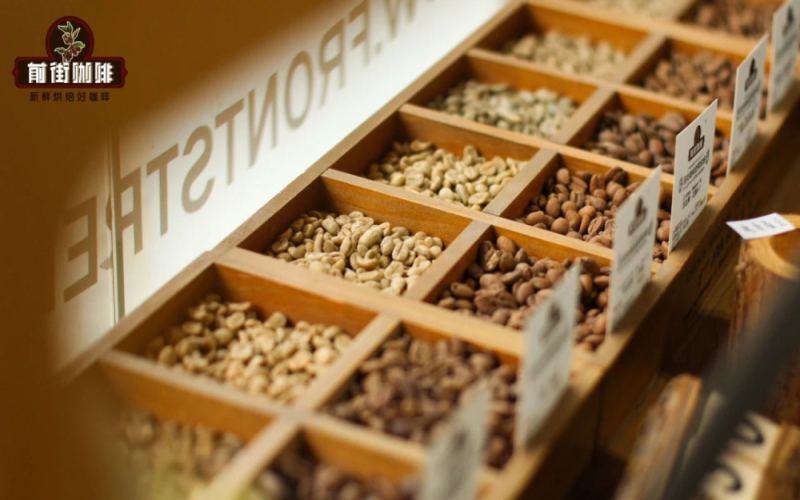
The Origin and Flavor Code of Arabica Coffee Beans: A Full Analysis from Variety Characteristics to Common Subspecies and Hybrids
Why can Arabica coffee beans become synonymous with specialty coffee? From the perspective of Front Street Coffee, this article systematically sorts out the core differences between Arabica and Robusta in flavor, growing conditions, and caffeine content, and introduces one by one the origins and flavor characteristics of common Arabica-derived subspecies and hybrid varieties such as Typica, Bourbon, Caturra, Geisha, Catimor, and SL28. It also includes the producing regions, altitudes, processing methods, and flavor descriptions of several representative coffee beans in Front Street Coffee stores, helping coffee enthusiasts fully understand the Arabica variety system so they can more accurately select coffee beans that match their personal preferences. [more…]
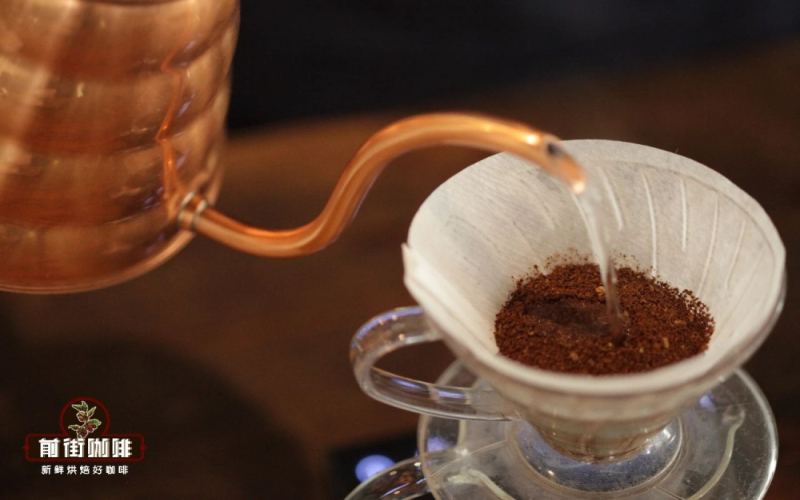
A Detailed Guide to Single-Origin Coffee Classification: A Comprehensive Analysis of Flavor Characteristics Across Major Producing Regions from Africa to the Americas and Differences in Coffee Shop Flavors
Have you ever walked into a specialty coffee shop, faced the dazzling array of single-origin coffees on the menu, and felt at a loss where to begin? Single-origin coffee refers to coffee made from beans sourced from a single origin, and it can be traced back to a specific region or even estate. This article will systematically sort through the representative single-origin coffees from major producing regions such as Africa, Central and South America, and Asia, introduce Front Street Coffee's rigorous process from roasting curve testing to cupping selection, and present the flavor descriptions of coffee beans from each region one by one, helping you find the cup that best suits your taste. [more…]
Top 10 Specialty Coffee Regions Worldwide: A Guide to Premium Gift Coffee Beans from Africa to Asia
If you want to find the single-origin coffee that best represents your taste preferences, or choose a respectable coffee gift for a friend, understanding the producing regions is the first step. Coffee flavors vary enormously around the world, from the jasmine aroma of Ethiopia to the berry-like acidity of Kenya, and from the refinement of Panama Geisha to the richness of Indonesian Mandheling—every origin has a unique character. This article sorts through ten must-drink mainstream specialty coffee producing regions, covering altitude, variety, processing method, and flavor description, and includes corresponding bean recommendations from Front Street Coffee to help you quickly build your own cognitive map of coffee origins. [more…]
Costa Rica Tank Estate Natural Villalobos Coffee Bean Variety Analysis, Flavor Characteristics, and Front Street Brand Recommendation
Tank Estate in Costa Rica's Central Valley produces a sun-dried Villasarchi coffee bean that has won the favor of many coffee lovers with its outstanding sweetness and soft fruit acidity. As a variant of Typica, Villasarchi performs excellently in high-altitude environments and has strong wind resistance, thriving even in poor soil. This article will comprehensively analyze this coffee from the perspectives of variety origin, origin grading, and estate processing methods, and share Front Street Coffee's recommended brewing parameters and flavor description, taking you deeper into understanding how sun-drying gives the coffee bean layers of caramel, nuts, and lime-like notes. [more…]
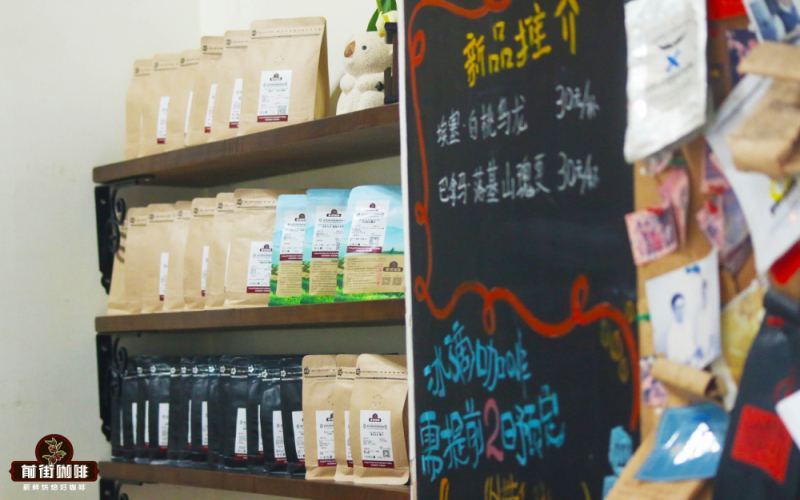
How to Describe Coffee Flavors? A Comprehensive Analysis of Flavor Characteristics of Major Coffee-Producing Countries and Regions Worldwide
Even coffee from different plots within the same estate can vary in flavor, let alone regions spanning different countries. The three major specialty coffee regions—Asia, Africa, and the Americas—each display distinctly different regional characteristics due to their unique terroir. Ethiopia's floral and citrus notes and the rich, full-bodied character of Asian coffees each have their own following. When recommending single-origin beans to customers, Front Street Coffee matches them based on taste preferences—those who prefer acidity can choose Front Street Kenya Small Tomato or Front Street Yirgacheffe, while those who enjoy a full-bodied cup can try Front Street Jamaica Blue Mountain or Front Street Golden Mandheling. Front Street currently offers more than 200 specialty coffee beans, and every bean has undergone repeated roasting tests and cupping screenings, only being recommended to consumers after confirming it is representative of its region. The following content is a coffee flavor guide compiled by Front Street after multiple rounds of roasting and cupping of common coffee regions around the world. [more…]
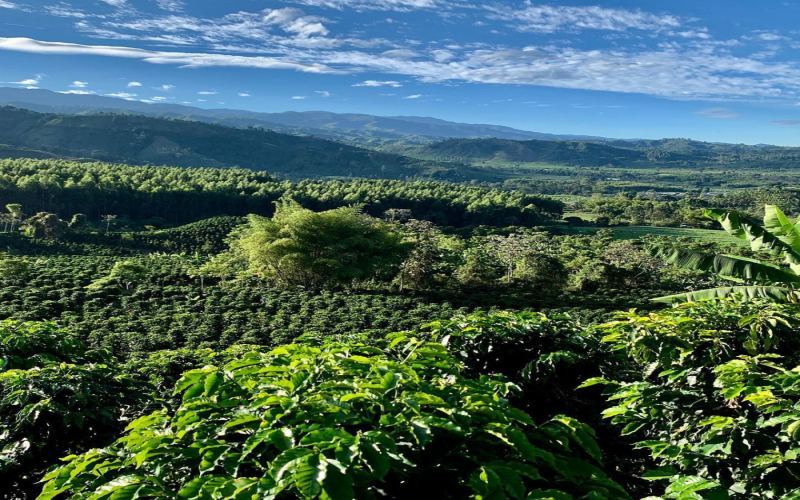
A Complete Analysis of Colombian Coffee Regions, Flavors, and Varieties: From Huila and Cauca to Front Street Brewing Methods
Colombia, with its diverse landscapes of low latitude and high altitude, has become an important producing country for specialty coffee. This article systematically reviews the characteristics of the country's main cultivated varieties such as Caturra, Castillo, Pink Bourbon, and Geisha, explains in detail the terroir differences of southern specialty regions such as Huila, Cauca, Nariño, and Tolima, and introduces how processing methods such as washed, semi-washed, anaerobic natural, and anaerobic enzyme-washed shape flavor. The seven Colombian beans offered by Front Street Coffee include Rose Valley, Flower Moon Night, and everyday beans, and the article also provides roasting curves, cupping performance, and V60 three-pour brewing parameters, offering coffee enthusiasts a complete reference from understanding producing regions to practical brewing. [more…]
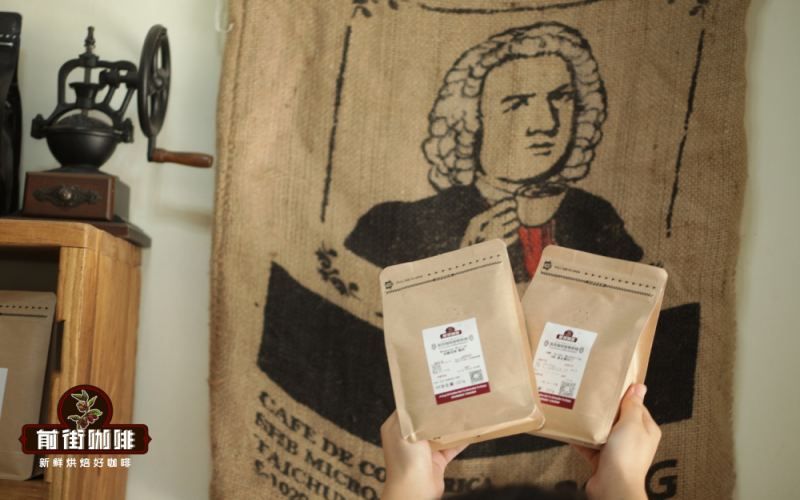
Canet Estate Mozart Coffee Brewing Guide: Raisin Honey Processing Flavor Characteristics and Pour-Over Parameters
In the Musician Series from Canet Estate in Costa Rica's Tarrazú region, Mozart coffee has become a favorite among many coffee lovers thanks to the pronounced sweetness and fruity-floral notes brought by its raisin honey processing. Why is this bean named Mozart? How does raisin honey processing differ from regular honey processing? Front Street Coffee breaks down this dried-fruit-sweet coffee bean one by one, from the region's background and the estate's story to the processing method, roasting, and brewing parameters, and includes V60 pour-over recommendations to help you recreate its bold yet elegant white floral aromas and berry-honey sweetness at home. [more…]
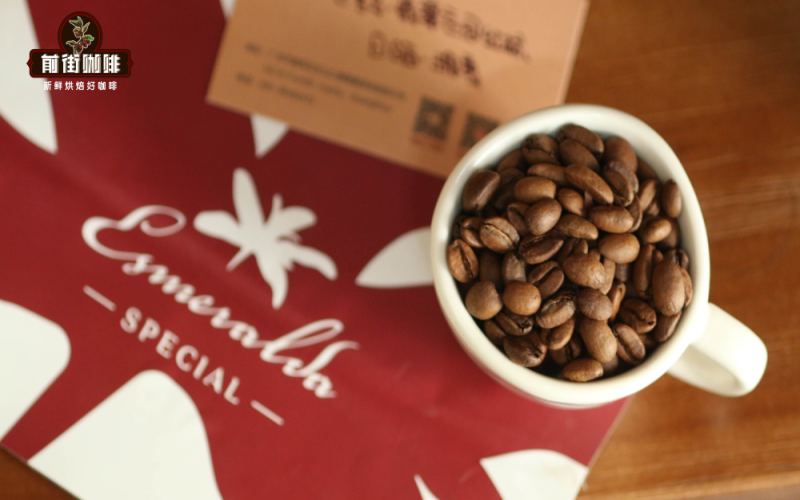
Top Ten Single-Origin Coffee Beans in the World | What High-End Specialty Coffee Beans Make Great Gifts? Recommended High-Value Pour-Over Beans Loved by Seasoned Coffee Enthusiasts
The world of coffee is deep and mysterious, and the world of single-origin coffee is even more bewildering. Unless you are a seasoned coffee connoisseur who has studied it for years, choosing the best single-origin beans from among the many coffee-producing regions is still very difficult, especially for ordinary coffee lovers. Sometimes you want to buy some coffee beans as a gift for a friend, but you're afraid your friend [more…]
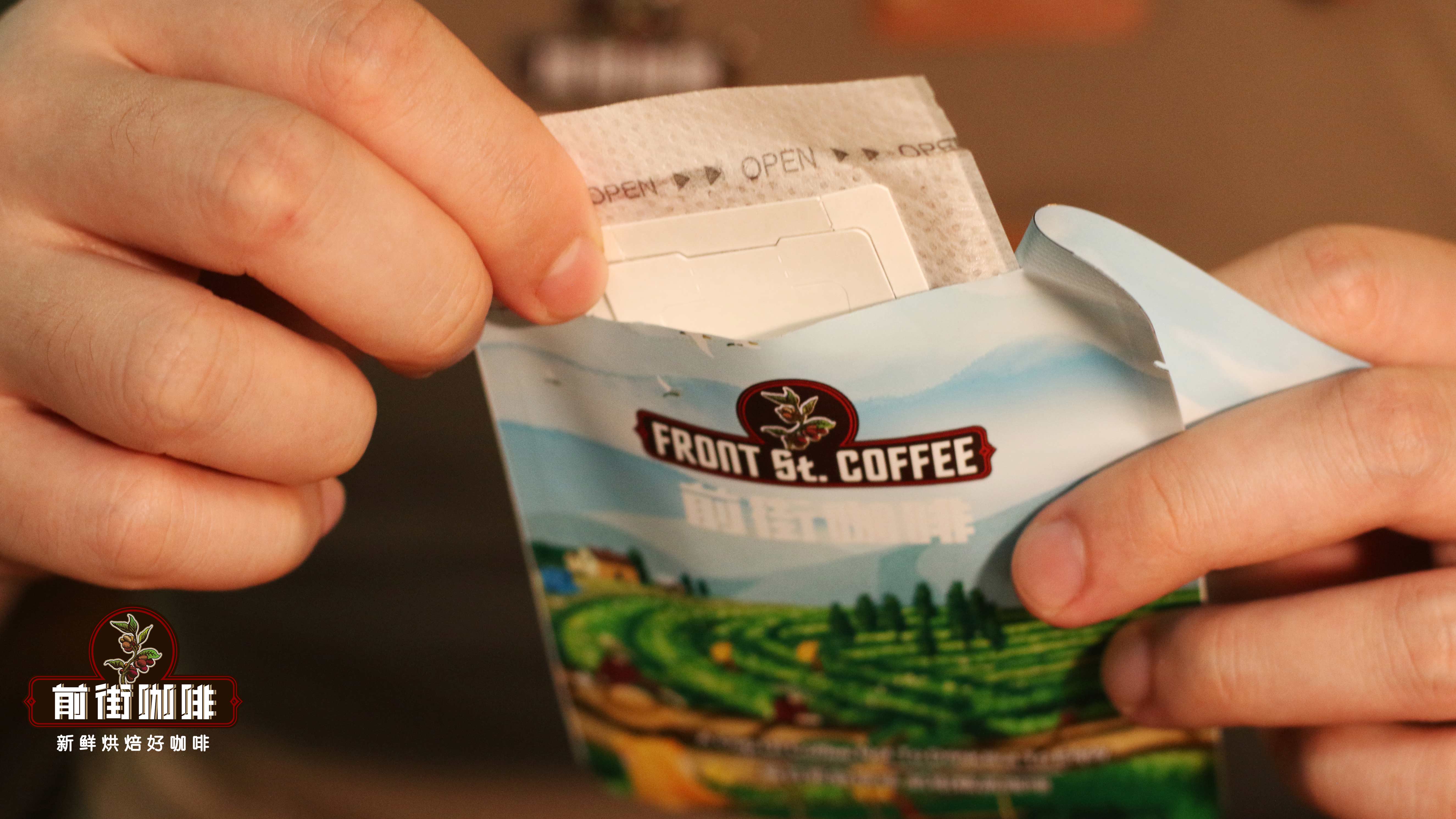
The Correct Way to Brew Drip Coffee Bags: Why Reusing Drip Coffee Bags Is Not Recommended
Drip bag coffee has become a popular coffee choice in office, home, and travel settings thanks to its convenience. You simply hang the little ears on both sides of the filter bag over the rim of your cup, pour in hot water, and you get a cup of black coffee. However, many people new to drip bag coffee wonder: can one bag be brewed repeatedly like tea leaves? This article will start with the brewing steps for drip bag coffee, explain why drip bag coffee is not suitable for a second brew based on the principles of coffee extraction yield, and also introduce several drip bag coffees produced by Front Street Coffee with good flavor profiles for your reference when shopping. [more…]
2025 Imported Roasted Coffee Bean Price Overview: How Much Per Catty for Front Street Coffee's New-Crop Single-Origin Beans?
The 2025 new-crop bean list from Front Street Coffee has been officially released. Every year, the bean-sourcing team tests over 300 sample lots, and in the end only about 50 make it onto the shelves—a clear sign of just how strict the selection criteria are. This article compiles the latest prices for the entire lineup of imported roasted coffee beans currently on sale this season at Front Street, covering classic representative beans from major producing regions such as Ethiopia, Kenya, Papua New Guinea, Indonesia, Jamaica, Hawaii, Panama, Costa Rica, and Colombia. From COE auction-winning beans to everyday washed Yirgacheffe, from Blue Mountain No. 1 to Hacienda La Esmeralda Geisha, each one is labeled with its origin, processing method, and flavor description, making it easy for coffee lovers to choose according to their needs. [more…]
Costa Rica Mirazu Estate Geisha Blend Pour-Over Guide: Strawberry Candy Flavor Extraction Parameters Explained
Costa Rica is renowned for its honey-processed coffee, whose parchment beans are golden in color, mellow in body, and remarkably sweet. This article focuses on the Strawberry Candy coffee beans from the Mirazu Estate, launched by Front Street Coffee. These beans are a Geisha blend, grown at an elevation of 1,700 meters in the Tarrazú region and processed using the honey method. The article first reviews the terroir characteristics of Costa Rica's seven major coffee regions, then takes a deeper look at the background of the Mirazu Estate and the history of the Geisha variety, and finally shares the pour-over recipe designed by Front Street Coffee's baristas for this bean—93°C water temperature, V60 dripper, and a 1:15 coffee-to-water ratio, using staged pouring to highlight the floral and fruity aromas along with a strong sweetness. [more…]
Costa Rica Tarrazú Region Comparison: Flavor Analysis of Tobosi Estate Red Honey Process vs. Washed Canet Estate
Although Costa Rica is a small country and its coffee output is not particularly prominent in Central America, it has long held an important place on the world specialty coffee map thanks to its volcanic ash soil, high altitudes, and microclimates. Tarrazú, one of the country's most renowned producing regions, is home to estates and processing methods of widely varying styles. This article focuses on Tobushi Estate's red honey-processed Catuai and the washed-processed Canet Estate, breaking down the differences between the two in sweetness, acidity, and body one by one—from producing region background, green bean grading, and roasting curves to cupping and brewing—to help coffee lovers understand the flavor distinctions that different processing methods bring within the same producing region, and to provide practical brewing suggestions from Front Street Coffee. [more…]
Flavor Characteristics of Major Coffee Regions Around the World: A Guide to Tasting Profiles and Mouthfeel from Africa to the Americas
Even different plots within the same estate can produce coffees with distinct flavors, let alone major regions spanning continents. The three great specialty coffee belts—Asia, Africa, and Central & South America—nurture vastly different flavor profile characteristics due to terroir differences: Ethiopia's floral and citrus notes, Indonesia's rich herbal undertones, and Central America's balanced chocolate character, each with its own following. Before deciding to put a coffee on the shelf, Front Street Coffee repeatedly roasts and cups samples from each region, selecting the most representative lots before recommending them to consumers. This article systematically organizes the flavor characteristics and taste descriptions of major coffee-producing countries worldwide, covering Ethiopia and Kenya in Africa; Indonesia and India in Asia; Guatemala, Costa Rica, and Panama in Central America; and Colombia and Brazil in South America, providing coffee lovers with a complete flavor profile reference. [more…]
A Complete Guide to Coffee Flavors Across the Americas: From Panama Geisha to Brazilian Bourbon
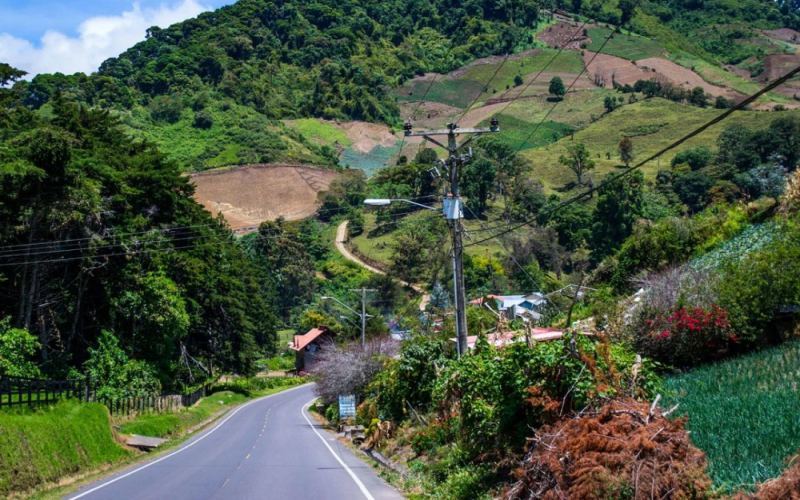
Central American coffee beans mostly grow at altitudes between 1,600 and 1,700 meters. The temperature difference between day and night at high altitudes extends the development cycle of the coffee fruit, which increases the density of the beans and makes them harder in texture. Through cupping, Front Street Coffee has found that Central American coffees generally present soft acidity, good cleanliness, and medium body. However, the flavor differences among producing countries are quite obvious. This article focuses on five well-known producing countries in Central and South America—Panama, Colombia, Costa Rica, Brazil, and Honduras—and reviews the terroir characteristics of each region and the flavor performance of representative coffee beans one by one. It also introduces information on products currently sold by Front Street, such as Geisha, Sidra, the Musician series, Red Bourbon, and Yellow Bourbon. [more…]
2022 Front Street Coffee Specialty Roasted Bean Price List: A Bean-Hunting and Roasting Journey from Ethiopia to Yunnan
Front Street Coffee (FrontStreet Coffee) cups hundreds of sample lots every year, and in the end only around fifty make it onto the menu—a testament to how rigorous its selection standards are. The 2022 new-crop menu covers origins including Ethiopia, Kenya, Papua New Guinea, Indonesia, Jamaica, Hawaii, Panama, Costa Rica, Colombia, Brazil, Honduras, and Yunnan, China. Processing methods range widely, from washed and natural to wet-hulled and barrel-fermented. This article provides a complete rundown of each coffee's origin background, variety information, processing method, flavor description, and price, making it easy for coffee lovers to choose what they need. [more…]